
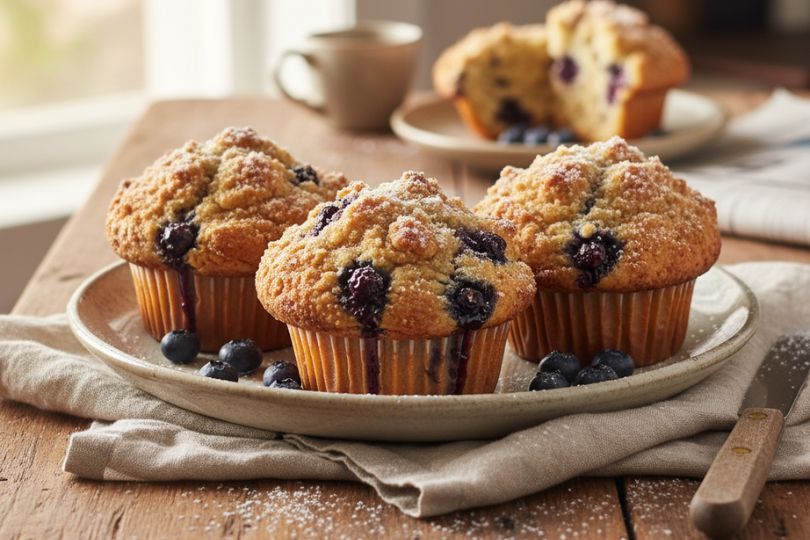
For better baking results use wild blueberries.
When it comes to baking the perfect blueberry muffin, scone, or coffee cake, not all berries are created equal. While grocery store shelves are typically stocked with large, plump, cultivated blueberries, professional bakers and pastry chefs who want deep, authentic flavor and ideal texture almost always reach for wild blueberries. Understanding the science of how these two distinct berries grow, travel, and behave in the oven reveals why wild blueberries reign supreme for baking.
The Science of Size and Water Content
The most noticeable difference between wild and cultivated blueberries is their size, which directly influences their performance in baked goods. Cultivated blueberries, known scientifically as highbush varieties, are bred specifically for agriculture to be large, visually appealing, and juicy. To achieve this, they are grown with ample irrigation and fertilizer, meaning they contain a very high volume of water and a lower skin-to-pulp ratio.
Wild blueberries, known as lowbush varieties, are much smaller—often roughly the size of a standard pea. Because they grow naturally and wildly across harsh northern climates with rocky soil and short growing seasons, they have to adapt to survive. This rugged environment causes them to develop a much higher skin-to-flesh ratio. Because a blueberry’s intense flavor compounds and natural pigments are concentrated primarily in its skin, this unique structure gives wild berries a remarkably concentrated, sweet-tart punch that easily cuts through rich batters and sweet doughs.
In baking, water content is everything. When you fold high-water cultivated berries into a delicate muffin or cake batter, they tend to burst easily under heat and pressure, bleeding purple liquid and leaving soggy, heavy pockets throughout your baked crumb. Wild blueberries, possessing a significantly lower water content, hold their structural shape far better. They do not water down your dough, ensuring that your quick breads bake evenly from edge to center without unwanted wet streaks or structural collapses.
Peak-Freshness Freezing vs. Long-Distance Shipping
Another major factor that sets wild blueberries apart is how they successfully reach your kitchen. Cultivated berries are typically harvested with the intention of being sold fresh in the produce section. To survive long, multi-week journeys across countries and continents to grocery store shelves, they must be picked slightly underripe. Furthermore, they are often bred for thick outer shells that can withstand rough commercial handling, which can sometimes result in a tough, rubbery texture and a diluted flavor profile.
Wild blueberries, on the other hand, have an extremely short fresh window and bruise very easily. Because of this biological reality, nearly all commercial wild blueberries are flash-frozen within 24 hours of harvest. This rapid freezing process takes place at the absolute peak of their seasonal ripeness, locking in their intense natural sugars, complex acids, and nutritional antioxidants.
Freezing actually acts as a massive asset for home bakers. When fresh cultivated berries sit on a store shelf for days, they continually lose moisture, flavor, and structural integrity. Flash-frozen wild blueberries bypass the degradation of long-distance transport entirely. When you fold them straight from the freezer into your batter, they stay cold and firm, preventing them from dissolving into a muddy, over-mixed mess during the preparation process. Additionally, because they are harvested from native barrens rather than traditional planted rows, wild berries maintain an authentic, unadulterated flavor profile that tastes genuinely fresh.
Distribution and Flavor Integration in the Oven
Have you ever cut into a homemade blueberry pancake only to find one massive, soggy pocket of fruit on one side and completely bare batter on the other? Large cultivated berries tend to clump together or sink unevenly to the bottom of baking pans because of their heavier weight and awkward size.
Because wild blueberries are tiny and uniform, they distribute densely and evenly throughout your mixture. Instead of encountering one large, watery burst of fruit every few bites, you get a consistent, concentrated pop of deep berry flavor in every single mouthful. Furthermore, the intense dry heat of the oven actually activates and enhances the natural tartness and complex sugars of wild blueberries, whereas cultivated varieties can lose their punch and taste somewhat muted when exposed to high baking temperatures.
The Economic and Culinary Value
Beyond the immediate baking results, choosing frozen wild blueberries offers year-round culinary consistency and exceptional value. Because they are preserved expertly at their seasonal peak, you get the exact same robust flavor profile whether you bake in the heat of July or the dead of winter. Cultivated berries out of season often taste cardboard-like, bland, and overpriced. For any home baker looking to elevate their pastries, swapping standard cultivated berries for frozen wild blueberries is a true game-changer. By combining superior flavor intensity, ideal moisture levels, and peak-ripeness freezing, wild blueberries deliver professional-grade baking results that ordinary farmed berries simply cannot match.